
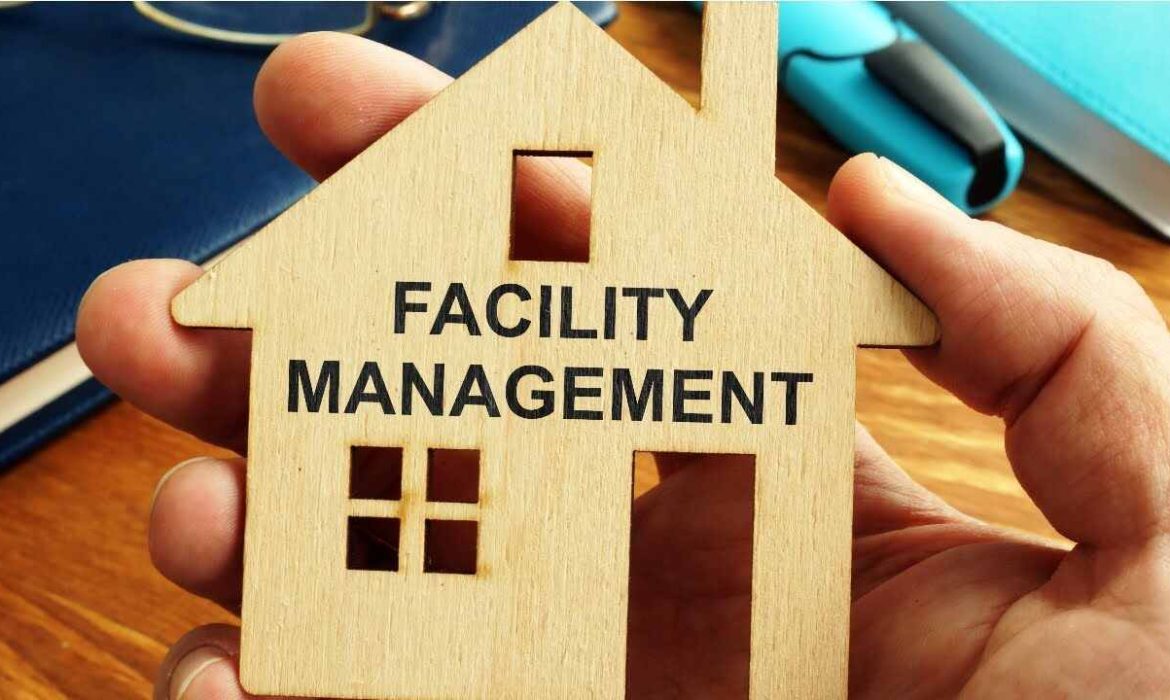
When you think about maintaining a building or complex, what comes to mind? Most people picture things like fixing a broken light or cleaning floors. But what if we told you that facilities management (FM) involves a lot more than just these everyday tasks?
In fact, facilities management is a vast, integral part of making sure that any building, from offices to hospitals, runs smoothly and efficiently. Whether you’re in charge of a small office space or a large corporate campus, understanding what facilities management involves can help you ensure that everything functions seamlessly.
What Is Facilities Management?
Facilities management refers to the process of managing and maintaining the buildings and services that support the core business functions. It’s a combination of several services aimed at ensuring a building is safe, comfortable, and functional for its occupants. FM involves everything from cleaning and repairs to managing security, energy consumption, and even the layout of the space.
In simpler terms, facilities management is like a building’s caretaker, ensuring that all aspects are functioning well for the people who use the space daily.
Why Is Facilities Management Important?
Why should we care about facilities management? After all, the building is just a space, right? Well, not exactly. Think of facilities management like keeping your car running smoothly. Just like your car needs maintenance, oil changes, and checks to run at its best, facilities need constant attention to ensure safety, comfort, and efficiency.
Facilities management ensures that all systems, whether it’s the HVAC system, plumbing, or security, work without disruption. It can save a company a lot of money in repairs and downtime, enhance employee productivity, and even ensure compliance with legal regulations.
Key Roles and Responsibilities of Facilities Management

So, what does a facility manager actually do on a daily basis? While the job varies based on the size and type of building, some key roles and responsibilities remain the same across all sectors. Let’s break it down:
1. Maintenance and Repairs
Regular maintenance is at the heart of facilities management. This includes overseeing the repair of systems like plumbing, heating, cooling, electrical, and more. Facilities managers ensure that these essential services are up and running without interruption.
2. Space Planning and Utilization
A major part of the facilities management role is optimizing how a space is used. This includes planning office layouts, ensuring there’s enough space for everyone, and even considering ways to make spaces more efficient for better workflow.
3. Security and Safety
Safety is always a top priority in any building. Facilities managers ensure that safety procedures are in place, such as fire drills, first-aid kits, and security systems. They also keep an eye on building compliance with local health and safety regulations.
4. Vendor and Contractor Management
Many tasks, such as landscaping, cleaning, or maintenance, require third-party vendors or contractors. A facilities manager works closely with these external parties, ensuring that they meet the required standards and deadlines.
5. Sustainability and Energy Management
In today’s world, environmental sustainability is more important than ever. Facilities management often includes overseeing energy usage, managing waste, and implementing green building practices that reduce the environmental footprint of a building.
Key Skills Required for Facilities Management
1. Technical Skills
Facilities managers need a strong technical background to understand and manage the various systems within a building. This could include knowledge of HVAC systems, electrical work, plumbing, and general building maintenance. Being tech-savvy is increasingly important as technology continues to play a larger role in FM operations.
2. Project Management
Facilities management often involves managing projects, whether it’s overseeing a renovation, upgrading systems, or implementing new technology. Facilities managers need strong project management skills to ensure that projects are completed on time, within budget, and to the required standard.
3. Communication Skills
Good communication is crucial in facilities management. Facilities managers need to liaise with employees, management, vendors, and contractors regularly. They must be able to communicate issues and solutions clearly and work effectively with various stakeholders.
4. Problem-Solving Skills
Problems are inevitable in facilities management, whether it’s an equipment malfunction, a space planning issue, or a safety concern. Facilities managers must be skilled problem solvers who can quickly assess situations and come up with effective solutions.
5. Organizational Skills
From managing budgets to overseeing a variety of maintenance tasks, organizational skills are a must for facilities managers. They need to be able to prioritize tasks, manage multiple responsibilities at once, and keep everything running smoothly.
Facility Manager’s Day-to-Day Tasks
A facility manager’s workday can be hectic, filled with various tasks that range from coordinating with contractors to inspecting systems. But what does an average day look like?
Morning: Checking Systems and Handling Urgent Issues
A typical day might start by inspecting critical systems like HVAC, plumbing, and electrical setups. If anything is malfunctioning, it needs to be addressed immediately to avoid costly disruptions later.
Midday: Managing Vendors and Contractors
After the morning checks, the manager might spend time overseeing third-party vendors for cleaning, repairs, or construction projects. This requires good communication skills to ensure that everything runs smoothly.
Afternoon: Budgeting and Long-Term Planning
The afternoon may involve reviewing the budget for ongoing projects, upcoming expenses, or energy consumption. Facility managers may also be involved in planning for future expansions or upgrades to the building.
Maintenance Management
When it comes to keeping a building operational, effective maintenance management is key. It covers everything from regular inspections of HVAC systems to the timely repair of broken elevators. Facilities managers create schedules for preventive maintenance to avoid expensive emergency repairs.
Regular Checks: Facility managers make sure that all equipment and systems are checked on a scheduled basis.
Repairs and Upgrades: Any malfunctioning system needs immediate attention. Often, this requires coordinating with internal or external maintenance teams.
Health, Safety, and Compliance
Health and safety are critical components of facilities management. Facility managers ensure that buildings comply with local, state, and federal regulations regarding safety, accessibility, and cleanliness. This includes:
- Ensuring proper fire safety equipment
- Regular safety drills
- Maintaining cleanliness and sanitation
- Managing potential hazards like chemicals or dangerous equipment
Energy Management and Sustainability
Energy usage is a huge factor in both operational costs and environmental impact. Facilities managers often oversee initiatives to reduce energy consumption, such as implementing energy-efficient lighting, optimizing heating/cooling systems, and exploring renewable energy options. This is not only good for the planet but also saves companies significant amounts in utility bills.
Sustainability Practices: Adopting eco-friendly practices, such as recycling and waste reduction, is an essential part of modern facilities management.
Space Planning and Optimization
Effective space planning ensures that every square foot of a building is used efficiently. For offices, this may mean reorganizing layouts to increase productivity or finding creative ways to accommodate more employees in smaller spaces. In larger buildings, optimizing space can help reduce operational costs and increase workflow efficiency.
Space Utilization: Facilities managers analyze how spaces are used and make adjustments as needed to maximize both comfort and functionality.
Vendor and Contractor Management
Whether it’s hiring a cleaning crew or arranging for repairs, facilities managers often work with multiple vendors and contractors. They are responsible for negotiating contracts, ensuring the quality of work, and making sure that all tasks are completed on time.
Vendor Coordination: Managers act as liaisons between contractors and the building’s occupants, ensuring that expectations are met.
Technology in Facilities Management
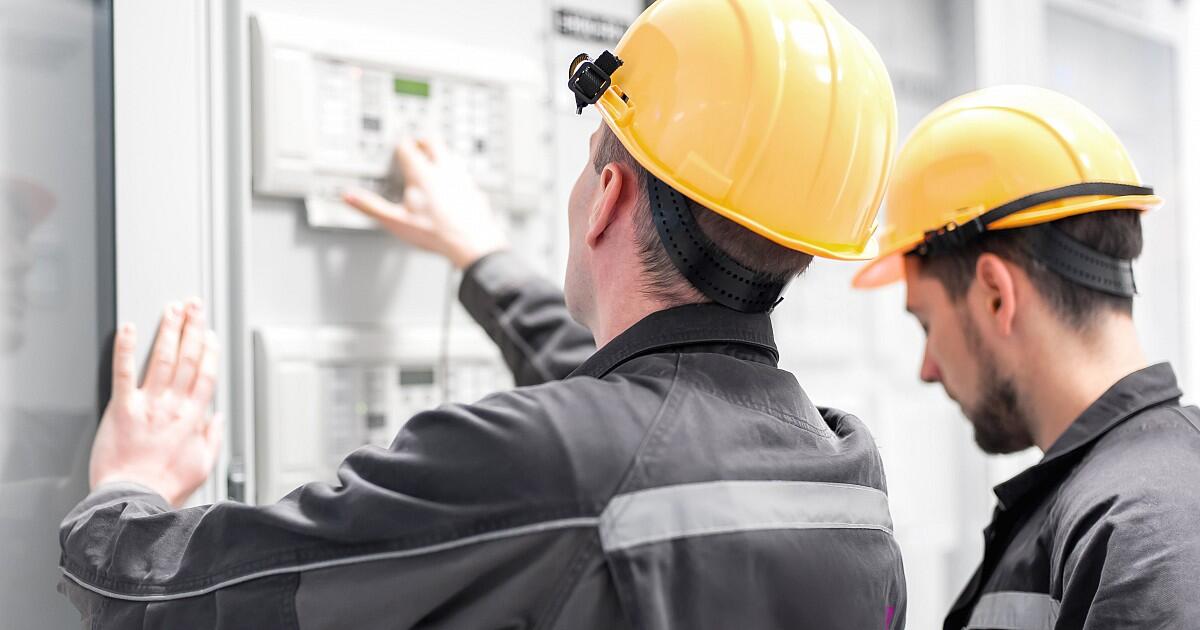
Technology is transforming how facilities management is done. From automated systems for lighting and temperature control to advanced security monitoring, tech plays a vital role in modern FM.
Smart Building Technologies: With the rise of smart technologies, facilities managers can monitor and control various systems remotely, improving both efficiency and cost-effectiveness.
Budgeting and Financial Management
A large part of facilities management involves keeping track of costs. Managers are tasked with creating budgets for maintenance, repairs, and upgrades, ensuring that spending stays within limits. They also track ongoing operational expenses like utilities and staff salaries.
Emergency Preparedness and Risk Management
Emergencies can arise at any time, whether it’s a natural disaster, a fire, or a power outage. Facilities managers must ensure that buildings are prepared for such events. This includes creating emergency plans, managing evacuations, and ensuring that necessary supplies are available.
Challenges in Facilities Management
While the role is rewarding, it comes with its own set of challenges. For one, facilities managers must always stay ahead of the curve when it comes to technology and compliance. They also need to balance budgets while ensuring that the building remains comfortable and safe.
Conclusion
Facilities management is a vital aspect of any organization or building, ensuring that everything runs smoothly, efficiently, and safely. From maintenance to sustainability, the responsibilities are diverse and require a strong set of skills. A good facility manager can significantly impact a building’s overall performance, employee satisfaction, and operational costs.
FAQs
1. What is the primary goal of facilities management?
The primary goal is to ensure that buildings and facilities run smoothly, safely, and efficiently for their occupants.
2. What are some key responsibilities of a facilities manager?
Responsibilities include overseeing maintenance, managing vendors, ensuring safety compliance, and optimizing space usage.
3. How does facilities management contribute to sustainability?
By implementing energy-saving practices, recycling programs, and green building initiatives, facilities management helps reduce environmental impact.
4. Is technology used in facilities management?
Yes, smart technologies are increasingly used to monitor systems and improve efficiency in areas like energy use, lighting, and security.
5. What challenges do facilities managers face?
Facilities managers must deal with balancing budgets, staying compliant with regulations, and managing unexpected emergencies or system failures.


